Blogs
Understanding Gas Regulators: Single-Stage vs. Two-Stage Systems
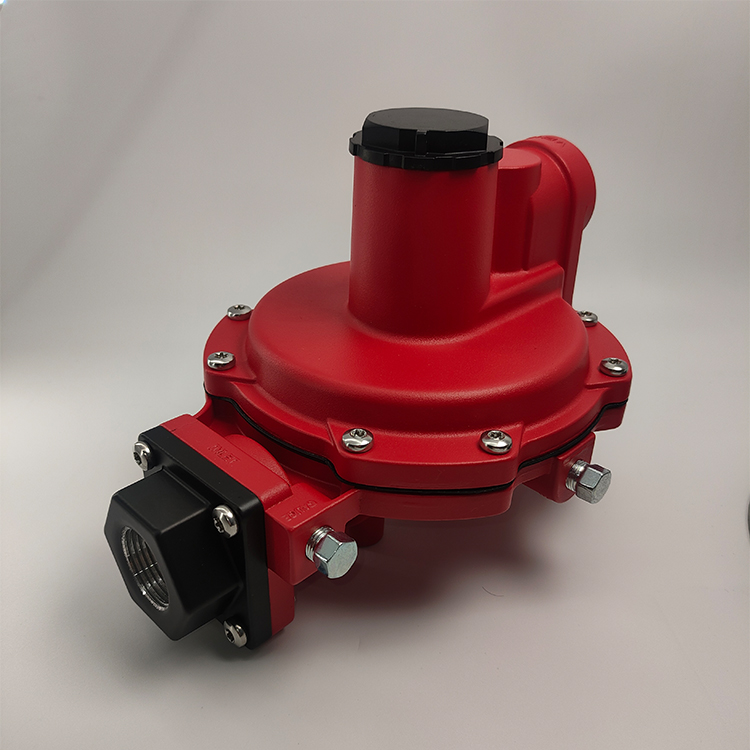
Gas regulators are essential safety devices that control pressure from fuel tanks to appliances. Whether you’re grilling outdoors or heating a home, understanding how they work can help you use gas systems safely and effectively.
In many applications — especially where safety and stability are critical — a two-stage regulator is used:
● First Stage: This component handles high and variable tank pressure (e.g., 100–250 psi for propane) and reduces it to an intermediate level, commonly 10–20 psi, often called “pilot pressure.”
● Second Stage: It takes that intermediate pressure and steps it down again to a very low, steady appliance pressure — typically 11" Water Column, or about 0.4 psi.
● Purpose: This two-stage design ensures that the appliance receives constant pressure regardless of tank fullness or outdoor temperature, providing greater safety and consistent flame performance.
A common point of confusion arises with single-stage regulators, like those on BBQ grills. While they also reduce pressure, they function differently from a true two-stage system.
● Two-Stage Regulator (Pressure-Controlled System)
This is an integrated pressure-control system. The second stage is designed specifically to maintain a precise and constant outlet pressure, automatically adjusting to changes in gas flow demand.
● Single-Stage Regulator with Valve (Flow-Controlled System)
In systems like a BBQ, the regulator lowers tank pressure directly to appliance-level pressure. The control knob on the grill is not a second regulator — it is simply a valve.
It does not regulate pressure; instead, it controls flow by restricting how much gas can pass through. The regulator maintains safe, steady pressure to the valve, and you adjust the flame by changing how much gas flows out.
● Single-Stage Regulators: Ideal for simpler, high-flow applications where precise pressure control is less critical. Examples include BBQ grills, construction heaters, forklifts, and some engine fuel systems.
● Two-Stage Regulators: Used where safety and precise pressure control are essential, particularly when tank pressure varies significantly. Common applications include:
* RV and mobile home systems
* Residential propane systems (for stoves, furnaces, water heaters)
* Industrial and laboratory equipment requiring exact fuel mixtures
To visualize the difference:
● Tank Pressure = High Voltage (e.g., 1000V)
● First Stage Regulator = Transformer (steps down to 120V)
● Second Stage Regulator = Precision voltage regulator (provides steady 5V to sensitive electronics)
● BBQ Valve = A dimmer switch — it varies current (flow), not voltage (pressure)
The core difference lies in control: a true second-stage regulator maintains constant pressure, while a valve after a single-stage regulator controls flow. Two-stage systems are designed to deliver unwavering, safe pressure to sensitive appliances, making them the preferred choice for indoor and high-safety applications.
CATEGORIES
LATEST NEWS
CONTACT US
Name: Aaron Choi
Mobile:+8615669220350
Tel:+8657488094903
Whatsapp:8615669220350
Email:sale2@propanefitting.com
Add:No. 315 of Zhenshi Rd. Jiangshan Town, Yinzhou District, Ningbo 315191, China